


Endeavor Research private Limited is glad to announce the webinar on “Chemistry“ which is going to be held on March 15-16, 2021. We are happy to bring together all anticipated participants to share and explore their research findings. The Chemistry webinar includes some highly cited presentations by keynote speakers, and remaining Oral presentations.
Chemistry-2021 brings upon a new platform to share and discuss all the Scientific Chemistry researches, as it mainly concerns with the technological advances and research results in the fields of chemistry, engineering, material sciences and applied sciences.
The main purpose of the webinar is to provide a platform to experts in the academia and industry to showcase their current researches, latest advancements and applications in areas pertaining to Chemistry resources.
We are condutcting this webinar through Live presentations according to the scientific program and we will provide the details of the timings when the program finalised.
Target Audiences:
Chemists | Chemistry Professors | Chemistry Department Chairs | Assistant Professors | Physicists | Biochemistry/Materials Science Students | Associate Professors | Postdoc and PhD. students | Engineers | CEOs and Business delegates.
Chemistry-2021 is the most productive virtual platform for Chemistry researchers, academicians and industry professionals pursuing their work in the field of Chemistry and to showcase new technology and the service your industry offer to global audience. It covers a lot of major topics like chemical industry which represents one of the largest manufacturing industries in developed and emerging countries.
We have enlisted some outstanding sessions that will give an opportunity to focus on specific areas from your own perspective experiences. Abstracts of all the related interest areas are accepted, but are not limited to the following sessions:
"Alexandru Ioan Cuza" University of Iasi - Romania
"Alexandru Ioan Cuza" University of Iasi - Romania
Dr. Mihail Lucian Birsa is currently a Professor in the Department of Chemistry at the Alexandru Ioan Cuza University of Iasi, Romania. He received a Bachelor of Science degree in Chemistry from the same university in 1995. He joined the master's program at Alexandru Ioan Cuza University of Iasi in 1995, and in 2000 was awarded a Ph. D. degree in Organic Chemistry. From 2000 to 2002, he was a postdoctoral fellow under the mentorship of Professor Samuel Braverman at Bar-Ilan University, Israel. In 2003 he was selected as a member of the Alexander von Humboldt Foundation, working with Professor Henning Hopf in TU Braunschweig - Germany. Since then numerous return fellowships were granted by the Alexander von Humboldt Foundation.
University of Rome Tor Vergata - Italy
Professor Laura Micheli Researcher in Analytical Chemistry at the University of Rome Tor Vergata. The research activity of Prof. Micheli is focalized on the study and development of disposable electrochemical tools for the determination of several analytes in food, in clinical and cultural heritage fields, using for their validation spectrophotometric and chromatographic methods. Also, she has been involved in the development of immunosensors and interference-free biosensors based on screen-printed electrodes (SPEs) in the field of environmental, clinical and food analysis. She collaborates from 2006 until now with the Department of CEMIS-OULU of the University of Oulu for development novel techniques for biosensor platforms and new tools for research. In 2019 she won the TECO Project (Technological Eco-Innovations for the Quality Control and the Decontamination of Polluted Water and Soils Grant), for developing rapid determination of aflatoxins and estrogenic compounds in water and food using screen-printed electrodes.
The Hebrew University of Jerusalem - Israel
Prof. Etgar was the first to demonstrate the possibility to work with the perovskite as a light harvester and hole conductor in the solar cell which results in one of the pioneer publications in this field. Recently Prof. Etgar won the prestigious Krill prize from the Wolf foundation. Etgar’s research group focuses on the development of innovative solar cells. Prof. Etgar is researching new excitonic solar cells structures/architectures while designing and controlling the inorganic light harvester structure and properties to improve the photovoltaic parameters.
Lioz Etgar obtained his Ph.D. (2009) at the Technion–Israel Institute of Technology and completed post-doctoral research with Prof. Michael Grätzel at EPFL, Switzerland. In his post-doctoral research, he received a Marie Curie Fellowship and won the Wolf Prize for young scientists.
Since 2012, he has been a senior lecturer in the Institute of Chemistry at the Hebrew University.
In 2017 he received an Associate Professor position.
California Institute of Technology - United States of America
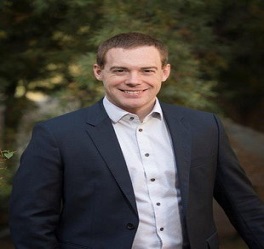
Scott Cushing is an Assistant Professor at Caltech with a multidisciplinary background spanning Chemistry, Materials Science, and Physics. His research focuses on the creation of new scientific instrumentation that can translate quantum phenomena to practical devices and applications. Scott has been awarded DOE, AFOSR, Rose Hill, and ACS related Early Career awards. The Cushing lab is currently pioneering the use of high-flux, compact sources of entangled photons for microscopy and spectroscopy, as well as exploring attosecond x-ray and time resolved EELS approaches. Scott holds multiple patents, some of which led to a solar energy company.
University of Jyväskylä - Finland
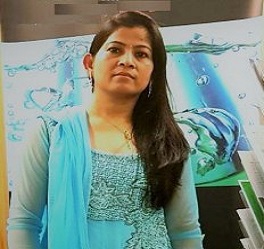
Professor Varsha Srivastava focuses on analytics and extraction of organic compounds from biomass, in particular organic wetland biomass. She aims to refine new types of products for the international market that can promote air and water purification, healthy living environments and enhance food production. The professorship is in the Department of Chemistry at the Faculty of Mathematics and Science and it is co-funded by Vapo Oy.
University of Cincinnati - United States
University of Jyväskylä - Finland
University of Malaga - Spain
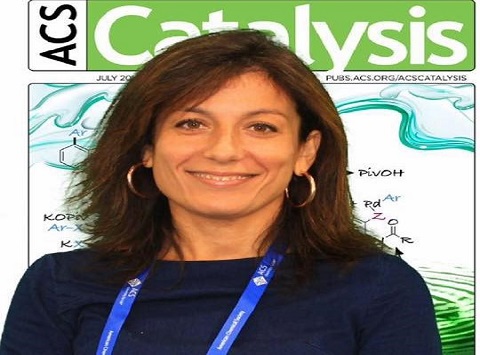
Prof. Guerrero-Pérez (ORCID 0000-0002-3786-5839) is a full professor of chemical engineering, being her expertise focused in the design of catalytic processes and catalytic materials, specially for waste reutilization and for environmental protection. She has participated in several international and national research projects, and as a result, she has published more than 80 research articles in the most important journals of chemical engineering, materials science, and environmental. From 2014 to 2018 she coordinated an Erasmus Mundus project between 11 universities from Europe and Asia, in which more than 50 students and researchers participated in an exchange program in Materials Science and Catalysis.
National School of Engineering, Sfax - Tunisia
Dr.Sahel Karoui obtained his PhD (Chemistry) from the University of Sfax-Tuisia. During 5 years at faulty of Sfax (2004–2009) and at National School of Engineering, Sfax (2010–2014) he gained practical experience in the chemicals and physical, which continued at Laboratory of Material Engineering and Environment (2010-2014). His main interest is Synthesis, structural and electrical properties to hybrid organic-inorganic compounds. During his chemicals and physical career he has developed and implemented numerous chemicals and physical for electrical, nonlinear optics, luminescence, photoluminescence and fine chemicals.
Federal University of Viçosa (UFV) - Brazil
National Research Council - Italy
Ufa Institute of Chemistry of the Russian Academy of Sciences - Russia
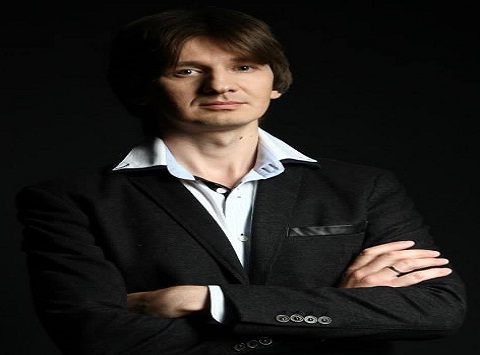
Dr. Stanislav Grabovskii obtained his Master's degree in Chemistry (in 1996) from the Bashkir State University (Russia) and his Ph.D. from the Ufa Institute of Chemistry UFRS of the Russian Academy of Sciences (at 2000). During 10 years from 1999 in Italy (ISOF, Bologna, Dr. C. Chatgilialoglu) and Germany (Institut für Organische and Biomolekulare Chemie der Georg-August-Universität Göttingen, Prof. Dr. Armin de Meijere) he gained practical experience in research and development in organic and physical chemistry as well as pharmaceutical chemistry. His main interest is the study of the mechanisms of organic reactions and the study of the influence of various factors on the selectivity and yield of products using experimental and theoretical methods. During his scientific career, he has developed combinations of compounds to accelerate the regeneration of skin, bone, nerve tissue and epithelium of the lungs (after injury).
The Hebrew University of Jerusalem - Israel
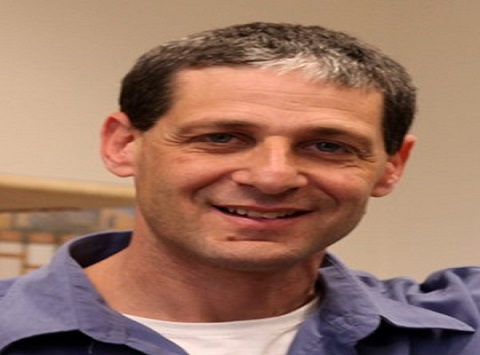
Professor Paltiel is in the Applied Physics Department at the Hebrew University of Jerusalem, Israel. He has worked for both leading high-tech industry groups and in the academic world. Paltiel's group’s goal is to establish a way to incorporate quantum mechanics into room-temperature devices. For example, we utilize chiral molecules as spin filters for achieving logic devices. Paltiel is involved in two startup companies; the first is named Valentis Nanotech founded in 2013. The 2nd company is named Kiralis founded in 2018. Kiralis uses magnetic surface interactions to achieve efficient chiral enantiomers separation. 1st place Kaye Innovation Awards winner.
Izmir Katip Celebi University - Turkey
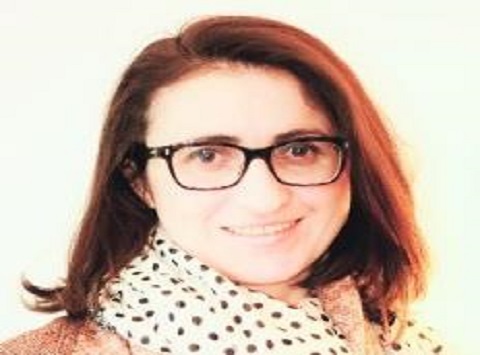
Dr. Didem ?EN KARAMAN obtained his BSc (Chemistry) from Izmir Institute of Technology in Turkey and her Ph.D. from Abo Akademi University, Finland. Her research interest encompasses the design of nanoparticles based drug delivery systems and nano-diagnostic probes and theragnostic nanoparticles. Since 2018, Dr. ?EN KARAMAN is having a tenure track position at Izmir Katip Çelebi University and leading her research group, Nanomedicine and Biomaterials Lab. Ongoing research activities aim to i) develop nanoparticulate formulations suitable for a broad range of cargo (hydrophobic drugs/hydrophilic drugs/biomolecules/imaging agents), ii) synthesize composite nanostructures for theragnostic activity iii) evaluate the potential and applicability of the developed nanomaterials for in vitro and in vivo drug delivery and biomedical imaging (together with collaborators) During her research carrier she has contributed the literature over 40 scientific publication which yielded with the over 900 citations and h-index 18.
Indian Institute of Science Education and Research Kolkata - India
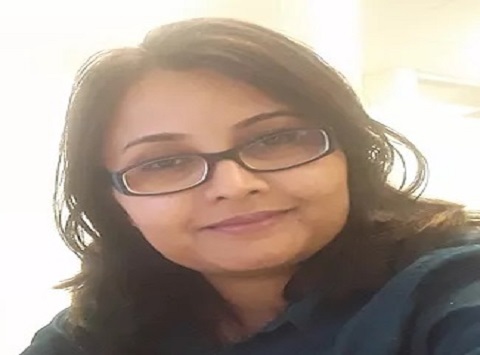
Monash University - Australia
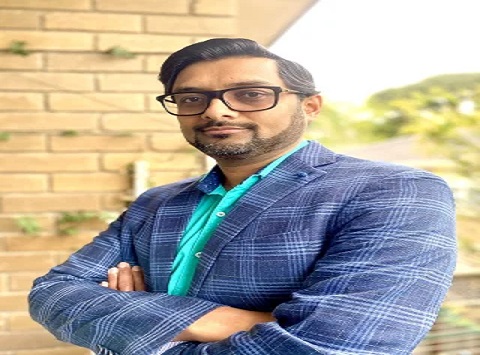
Prof Akshat Tanksale completed his Ph.D. at The University of Queensland in 2008 examining nanomaterials / chemical reaction engineering. This was followed by a postdoctoral position at UQ examining the conversion of biomass to liquid fuels and chemicals and hydrogen storage. Joining Monash University in 2011, A/Prof Tanksale leads the Catalysis for Green Chemicals group where his interest is in the field of heterogeneous catalysis for the conversion of biomass to fuels and chemicals using nanomaterials.
Prof Tanksale is the Chair of the Joint Victorian Chemical Engineers Committee (JVCEC) under the common umbrella of IChemE and Engineers Australia.
The American College (Autonomous), Madurai - India

University of Rome Tor Vergata - Italy
Professor Laura Micheli Researcher in Analytical Chemistry at the University of Rome Tor Vergata. The research activity of Prof. Micheli is focalized on the study and development of disposable electrochemical tools for the determination of several analytes in food, in clinical and cultural heritage fields, using for their validation spectrophotometric and chromatographic methods. Also, she has been involved in the development of immunosensors and interference-free biosensors based on screen-printed electrodes (SPEs) in the field of environmental, clinical and food analysis. She collaborates from 2006 until now with the Department of CEMIS-OULU of the University of Oulu for developing novel techniques for biosensor platforms and new tools for research. In 2019 she won the TECO Project (Technological Eco-Innovations for the Quality Control and the Decontamination of Polluted Water and Soils Grant), for developing rapid determination of aflatoxins and estrogenic compounds in water and food using screen-printed electrodes.
National Institute of Technology Karnataka - India
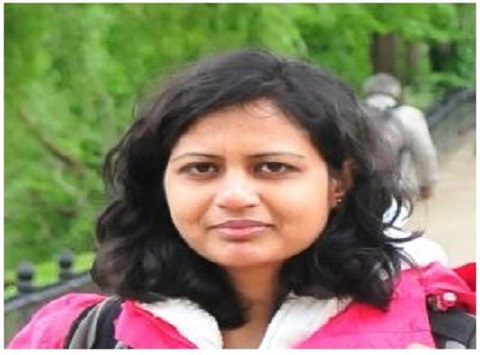
Dr. Debashree Chakraborty obtained her Ph.D. from the Indian Institute of Technology Kanpur in 2011. She has done her postdoctorate from the University of British Columbia, Vancouver Canada (2011-2013) and Institut de Biologie Physico-Chimique, Paris, France (2013-2015). Subsequently, she joined the National Institute of Technology Karnataka as Assistant Professor in 2015. Her main interest is in biophysics and protein dynamics. She worked in a variety of fields from voids in the liquids, spectral dynamics of hydrogen-bonded liquids, interfaces, nucleation of crystals to the stability of proteins, drug discovery.
PetroChina Petrochemical Research Institute - China
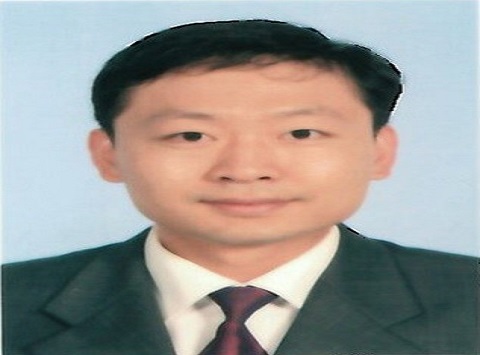
Dr. Peng Zhang (1980) obtained his Ph.D. from the China University of Petroleum. He has engaged in dehydrogenation & reforming catalysts and processes of petrochemicals for more than 15 years. Dr. Zhang innovatively discovered high-performance zeolite-type environmentally friendly reforming catalysts, which can avoid chlorine loss and equipment corrosion of traditional commercial alumina-type catalysts. He is a senior engineer and inventor on more than 30 patents. Dr. Zhang has the honorary title of Science and Technology Young Talent of PetroChina Petrochemical Research Institute.
California Institute of Technology - United States
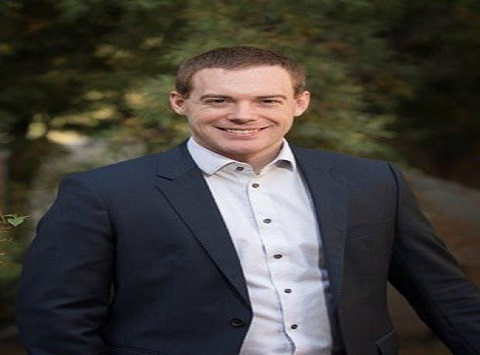
Scott Cushing is an Assistant Professor at Caltech with a multidisciplinary background spanning Chemistry, Materials Science, and Physics. His research focuses on the creation of new scientific instrumentation that can translate quantum phenomena to practical devices and applications. Scott has been awarded DOE, AFOSR, Rose Hill, and ACS related Early Career awards. The Cushing lab is currently pioneering the use of high-flux, compact sources of entangled photons for microscopy and spectroscopy, as well as exploring attosecond x-ray and time resolved EELS approaches. Scott holds multiple patents, some of which led to a solar energy company.
Texas A&M University-Kingsville - United States
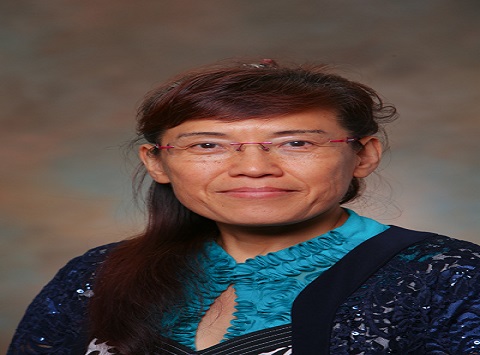
Professor Jingbo Louise Liu received her Ph.D. in Materials Science and Engineering (with a focus on materials chemistry) from the University of Science and Technology Beijing in 2001 and completed her postdoctoral fellowship in the Department of Chemistry (focus on electrochemistry and alternative energy), the University of Calgary in 2004. She was promoted to a tenured Full Professor at Texas A&M University-Kingsville (TAMU-K) in 2016 and affiliated with the TAMU Energy Institute in 2019. The promotion and affiliation were due to her productivity for nanostructured materials preparation, characterization, understanding of the properties and applications of engineered nanomaterials in alternative energy and biological science. She has been hosting 15+ visiting scholars and taught > 10,500 students; trained > 150 undergraduates and 35 graduate students. She served as the National Science Foundation panelist & chair, journal editor, and also as a reviewer for dozens of journals. Dr. Liu participated in and directed more than 40 sponsored projects, supported by the NSF; R. Welch Foundation; Department of Education; Petroleum Research Fund of American Chemical Society (ACS); and TAMU Energy Institute & TAMU-Kingsville. She published more than 100 journal articles, books, and book chapters. Being a Directed Energy Bio-effects Institute (DEBI) faculty fellow at the US Air Force Research Laboratory, she co-filed 2 patents (more than 20 claims per patent) with Air Force scientists to address clinical prevention and healthcare concerns. Due to her leadership in chemical sciences and engineering, she was awarded the distinction of Chartered Scientist by the Science Council and Chartered Chemist by the Royal Society of Chemistry (RSC). Recently, she was elected as the Fellow of the International Association of Advanced Materials (FIAAM), Fellow of Vebleo (Science Engineering and Technology), and Fellow of RSC, in addition to the Japan Society for the Promotion of Science (JSPS) invitation Fellow and Israel Summer Faculty Fellow.
Northeast Normal University - China
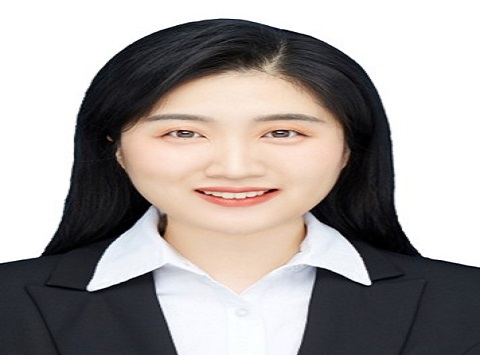
Lihan Zhu obtained her BSc (Chemistry) from Liaoning University and she is studying as a Ph.D. student in the Northeast Normal University. She used to study at the National University of Singapore as a joint Ph.D. student. Her main interest is to disclose the mechanisms of organic reactions and the origin of enantioselectivity for asymmetric reactions by computational methods. During her industrial career, she has verified the effective
Northeast Normal University - China
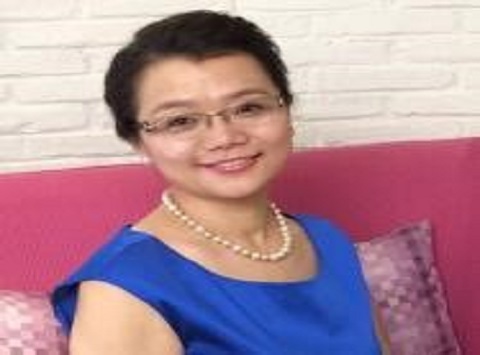
Prof. Jingping Zhang has completed her Ph.D. at the age of 31 years from Northeast Normal University and postdoctoral studies from Kyushu University. She is the director of the Faculty of International Cooperation and Exchange Office. She is also the chief editor for the Journal of Molecular Science. The research interests of Prof. Zhang are an investigation of mechanisms for novel organic reactions and design functional materials such as lithium-ion battery (cathode & anode) materials. She has published more than 320 papers in J. Am. Chem. Soc, Angew. Chem., Int. Ed, Nano energy, ACS Catal, Green Chem, Chem. Commun, J. Mater. Chem. A, Adv. Synth. Catal, J. Org. Chem, J. Comput. Chem, etc.
Heinrich-Heine-Universität Düsseldorf - Germany
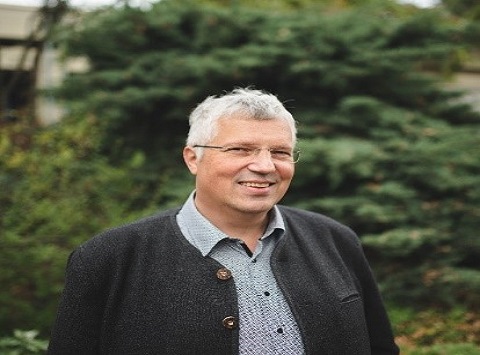
Prof. Thomas J. J. Müller studied chemistry at Ludwig-Maximilians-Universität München (LMU) from 1984 to 1989, obtained his diploma in 1989 and completed his Ph. D. in 1992. After a post-doctoral stay with Prof. B. M. Trost at Stanford University in 1993/1994, he returned to Germany. From 1994-1999 he developed his independent research at Technical University Darmstadt and LMU as a Liebig and DFG scholar. After his habilitation in 2000 and a short time as a lecturer at LMU he was an associate professor of organic chemistry at Ruprecht-Karls-Universität Heidelberg from 2002 to 2006. Since 2006 he is a full professor and director of insitute at Heinrich-Heine-Universität Düsseldorf. Since 2019 he is the spokesman of the DFG-funded Research Training Group 2482. His research interests encompass synthetic heterocyclic chemistry, functional chromophores, and the design of novel multi-component and domino reactions. He is an author of more than 300 journal articles and book chapters.
National Institute of Technology - Brazil
Gilliani P. Miranda is a chemical engineer and got her M.Sc. degree at the Federal University of Rio de Janeiro (UFRJ), Brazil. She has developed research studies devoted to chemical process transformation, especially the ones concerning sustainable routes (biomass and ethanol), catalytic conversion of CO2 for syngas production, and some others in the heterogeneous catalysis field. Moreover, she has also developed technological studies in partnership with the productive sector, such as the cosmetic and health care segment with multinational companies like L’Oréal. She is currently part of Dr. Fabiana Mendes’s team at the National Institute of Technology (INT) and develops efforts on new oxidation catalysts formulation, using activated carbon obtained from sugar cane straw, applied to the selective oxidation of propane.
Manav Rachna University, Faridabad - India
Megha Bansal did her Ph.D. from Defence R & D Establishment, Gwalior, India. She qualified CSIR-SRF and completed various projects based on heavy metal toxicity and heavy metal remediation funded by CSIR, AYUSH, DRDE and MRU. She has more than 35 research papers in peer-reviewed International and National journals and Book Chapters in Elsevier and Royal Society of Chemistry Publications. She is a certified Analytical Chemist and certified trainer for GLP (Good Laboratory Practices) by WHO and UNDP. She is a Member Editorial Board and Advisory Board of various International Journals. She organized successfully various Internationals workshops and conferences sponsored by RSC, London and Green Chemistry Network Centre (GCNC)
California Institute of Technology - United States
B.S. (1957) and Ph.D. (1960), University of California, Berkeley.? National Science Foundation Postdoctoral Fellow, 1960-1961, Harvard University.?Assistant Professor, 1961-1963, University of California, Riverside.?Assistant Professor, 1963-1964; Associate Professor, 1964-68; Professor, 1968-1992; George Grant Hoag Professor of Biophysical Chemistry, 1992-2001; Hoag Professor, Emeritus, 2002-, California Institute of Technology.?Honorary Professor, 1996-2015, Chinese University of Hong Kong. ?Chair Distinguished Professor of Chemistry, 2007-2010; Distinguished Research Chair Professor, 2010-2016, National Taiwan University.?Honorary Chair Professor, 2012-14, National Ping Tung University of Education.?Chair Professor of Bioinorganic Chemistry, 2013-16, National Chung Hsing University. ?Distinguished Research Fellow and Director, 1997-1999; Distinguished Research Fellow, 1999-2011; Distinguished Visiting Fellow, 2011-15, Institute of Chemistry, Academia Sinica.? Vice President, 1999-2003, Academia Sinica.?Director, National Research Program of Genomic Medicine, 2001-03, National Science Council, Republic of China
Virginia Commonwealth University - United States

Prof. B. Frank Gupton, Ph.D., is an internationally recognized scholar and industry expert. After attending the University of Richmond on a basketball scholarship, he received his master’s degree from Georgia Tech. He earned his doctorate in chemistry at Virginia Commonwealth University.
His 31-year industry career included senior positions with the Hoechst-Celanese Corporation and Boehringer-Ingelheim. In 2007, Gupton retired as executive director of process development for Boehringer-Ingelheim Pharmaceuticals.
Gupton then joined the VCU College of Engineering faculty and became the Floyd D. Gottwald Junior Chair in Pharmaceutical Engineering in 2016. His research focuses on improving global health care by making pharmaceutical production cleaner and more cost-effective. To help advance these goals, he founded the Medicines for All Institute (M4ALL) with a simple idea: expand global access to lifesaving medications by producing them more efficiently.
An inventor on multiple patents, including one for his work to produce nanoparticle catalysts supported on graphene, Gupton is a National Academy of Inventors Fellow. He received the Billy R. Martin Award for Innovation in 2017.
For his efforts with M4ALL to develop cost-saving methods to produce the anti-HIV drug nevirapine, he won the 2019 Peter J. Dunn Award from the American Chemical Society (ACS). For that work, he and M4ALL chief technology officer D. Tyler McQuade, Ph.D., also won the 2018 ACS Green Chemistry Challenge Award and the 2018 ACS Award for Affordable Green Chemistry. The institute is working with a manufacturer in South Africa and partnering with the government of Ivory Coast to bring these advances to the places they are most needed.
Institute of Organic Chemistry and Biochemistry - Czech Republic
Dr. Zlatko Janeba earned his Ph.D. in 2001 in Organic chemistry from the Institute of Organic Chemistry and Biochemistry (IOCB) in Prague, the Czech Academy of Sciences. He underwent postdoctoral research training in the groups of Prof. Morris J. Robins at Brigham Young University and Prof. Paul F. Torrance at Northern Arizona University. He spent 3 years (02/2005 – 02/2008) as a senior scientist at Moravek Biochemicals, Inc. in California, one of the leading companies in the field of custom synthesis of radiolabeled compounds for pharmaceutical research. In 2008, he rejoined the research team of Prof. Antonín Holý at IOCB and in March 2010 he established his Junior Research Group within IOCB. Since January 2016, he is the head of the Senior Research Group at IOCB. Current research of the group involves design, synthesis and SAR studies of modified nucleosides and nucleotides, as well as other heterocyclic compounds, with a wide range of biological properties, especially antiviral, anticancer, antibacterial, antiparasitic, and anti-inflammatory. He is a member of International Society for Antiviral Research (ISAR); International Society of Nucleosides, Nucleotides and Nucleic Acids (IS3NA); and International Society of Heterocyclic Chemistry (ISHC).
He received the Petr Sedmera prize in 2016. Currently, Dr. Janeba serves as an associate editor of Antiviral Chemistry & Chemotherapy and is a member of International Advisory Board of ChemMedChem. He has authored some 100 publications in internationally recognized scientific journals and he gave numerous invited talks worldwide.
Environment Institute and Institute for Health and Consumer Protection - Italy
National Institute of Technology Arunachal Pradesh - India
Indian Institute of Science Education and Research Thiruvananthapuram - India
Yokohama National University - Japan
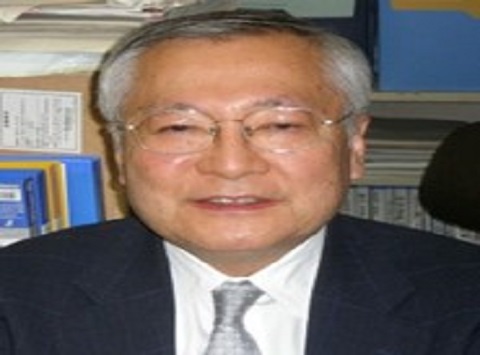
Dr. Akira Naito serves as a professor emeritus with Yokohama National University, where he previously excelled as a professor from 2001 to 2015. Additionally, he channels years of expertise into his work as the director of the Instrumental Analysis Center at the aforementioned university. He has provided his research to a plethora of articles published in the fields of “Structurer determination of photoreceptor membrane proteins by solid-state NMR”, “Dynamic membrane interaction of anitimicrbial peptides and membrane proteins”, “Characterization of the amyloid fibril formation of hCT and glucagon” and “Developments of new solid-state NMR methods”.
TATA Chemicals Innovation Centre, Pune - India
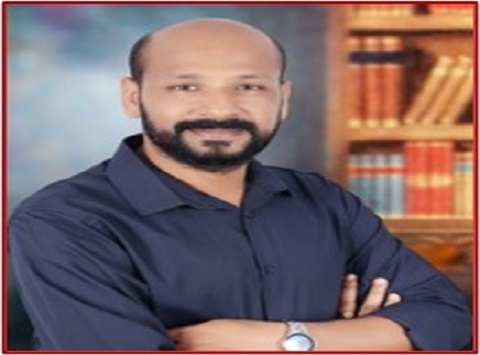
Dr. Rautaray has 20 years of scientific research expertise with 15 years of industrial experience. He has received his Ph.D. in Materials Science (Nanotechnology) from National Chemical Laboratory, Pune, India. He has contributed 33 international research publications in peer-reviewed journals, 3 book chapters, inventor of more than 25 Patents, contributed several research articles for scientific magazines & more than 50 invited lectures in fields related to nanotechnology & materials chemistry. Dr. Rautaray held visiting scientist positions at Ohio State University & at the Massachusetts Institute of Technology, Boston. At the TATA Chemicals Innovation Centre, Dr. Rautaray’s current activities are in the areas of nanotechnology applications for the polymer industry.
Novartis Pharma AG - Switzerland
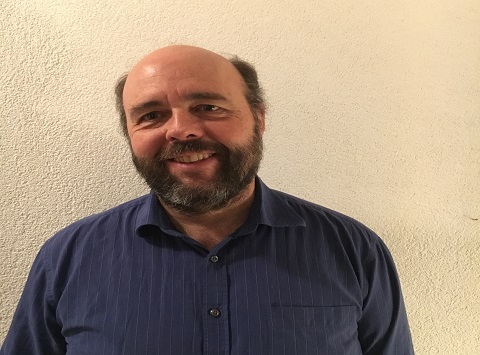
Markus Baenziger has more than 25 years’ experience as an industrial chemist in the Chemical, Analytical Development of Sandoz, and later Novartis in Basel (Switzerland) as a lab chemist. He gained experience as a process chemist in the Pilot plant and Kilo plant during job rotations (six to twelve months). He is the author or co-author of 21 peer-reviewed scientific journals (orcid.org/0000-0003-1021-1680) and contributor to 8 patents. He had the scientific lead and was the project coordinator of CRO’s, custom manufacturer and internal GMP manufacturing on the project LSZ102.
Shanghai Jiao Tong University - China
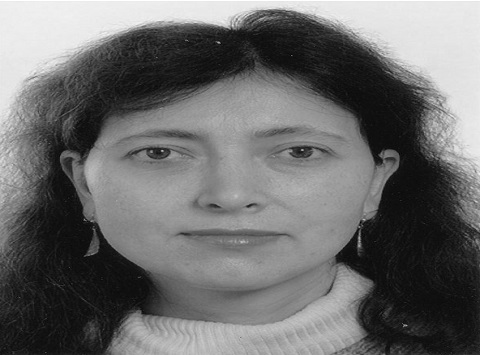
Dr. Diana Tranca did her Master in Physics at the Free University Berlin and she obtained her Ph.D. from Max-Planck for Biophysical Chemistry, Göttingen, Germany. After her Ph.D., she was working as a theoretical chemist at different prestigious universities in Europe or in the United States like Berkley University, California, United States, Sorbone University, Paris, France or Technical University in Hamburg and also in Dresden. Her main interest lies in computational researchers with interest and extended experience in studying porous materials, electro/photo-catalytic processes and surface functionalization, research towards a systematic and rational design of materials for energy applications. She gained practical experience in a multi-scale modeling approach, supporting experimentalists in elucidating reaction mechanisms, rate-limiting steps, thermodynamics. Experience also in computation of other experimentally relevant quantities like IR spectrum, STM images, UPS spectra, work functions, etc. Her experience includes also in teaching and mentoring Master and Ph.D. students.